
Types of Dental Trauma in Children
Children can experience different types of dental injuries depending on the severity of the impact. Common types include:
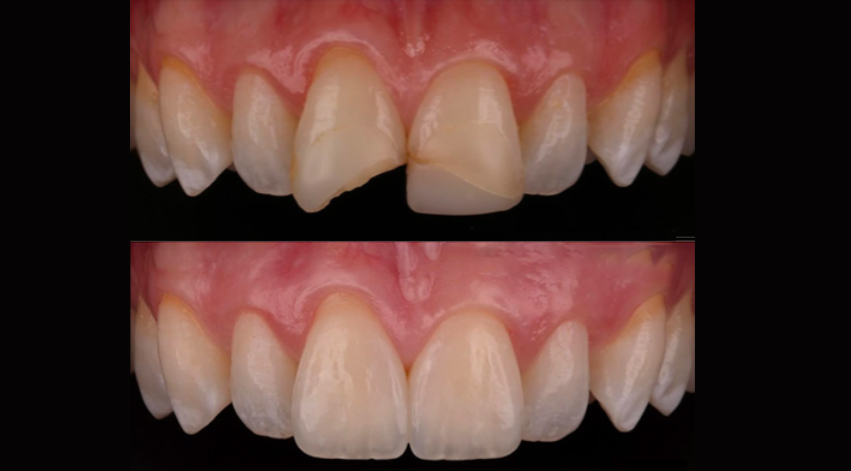
- Chipped or Fractured Teeth – Small or large pieces of the tooth may break due to falls or accidents.
- Knocked-Out Tooth (Avulsed Tooth) – The entire tooth may come out of the socket and requires immediate dental care.
- Displaced Tooth – The tooth may be pushed sideways, inward, or outward from its normal position.
- Loosened Tooth – The tooth becomes mobile due to injury to the supporting tissues.
- Soft Tissue Injuries – Cuts, swelling, or bruising of the gums, lips, cheeks, or tongue may occur along with tooth injuries.
What to Do Immediately After Dental Trauma in Children
Quick action after a dental injury can help save your child’s tooth and prevent complications. If your child experiences dental trauma, follow these steps:
- Stay Calm and Comfort Your Child – Check for bleeding, swelling, or broken teeth and reassure your child.
- Control Bleeding – Gently apply clean gauze or cloth to the area to stop bleeding.
- If a Tooth is Knocked Out – Hold the tooth by the crown (top part), rinse gently with clean water if dirty, and try to place it back into the socket if possible. If not, store it in milk or saliva and visit the dentist immediately.
- For Broken or Chipped Teeth – Save any broken pieces and rinse the mouth gently with clean water.
- Reduce Swelling – Apply a cold compress on the outside of the mouth or cheek.
- Visit the Dentist Immediately – Seek dental care as soon as possible to assess the injury and prevent long-term damage.
How Is Dental Trauma Treated?
- Chipped teeth: Often repaired with dental bonding or a filling.
- Knocked-out baby teeth: Usually not re-implanted, but follow-up is important to check for damage.
- Knocked-out permanent teeth: Re-implantation may be possible if done within 30 minutes; store the tooth in milk and visit a dentist immediately.
- Loose teeth: May require splinting or monitoring by a pediatric dentist.
- Soft tissue wounds: Cleaned and stitched if necessary to prevent infection.
Timely dental care after an injury ensures proper healing and helps protect your child’s smile. Regular dental visits and the use of mouthguards during sports can help prevent future trauma.